
Made of many things.
All Flipsi artwork is created digitally in-house with Photoshop and Procreate. We use licensed photographs, our own photographs, digitally drawn elements and some AI-generated pieces. Here is a glimpse of how Enchanted Falls came together.


Enchanted Falls · one statue, thirty-three saves, more than a hundred elements.
Seven things, roughly.
There is no single method. Each artwork uses whatever it needs, in whatever proportion it needs it.
First, work out the world.
We start with the concept. Demi gathers references: photographs, film frames, paintings, architecture, anything that helps us work out the mood, scale and visual direction. None of those images go into the finished artwork.
Then we work out the story and the hook. Once we know what the idea is really about, Melissa can start building.
Demi: So… I have a new product idea.
Melissa: What is it?
Demi tells her what it is.
Melissa: What's the hook?
Demi: It's a cool idea.
Melissa: That's not a hook.
- What is the visual story?
- What is the hook?
- How does the front stand on its own and still set up the surprise side?
- How should someone feel when they flip it over?
We never lock the front until we know what the surprise side will be.
The Falls, over five months.
A Flipsi artwork usually takes between three and eight weeks. Enchanted Falls took longer than any of them.

Once I had the shape of the geisha, my challenge was somehow building an entire city? forest? waterfall village? around her.
Then.

Weeks pass and I finally think I have a good base.
He is still looking.

Days pass.
Relief.
Then.

At this point, I really am not sure anymore.

I decide not to show him again until I actually like it. Genuinely. So a few weeks pass.
At first there is nothing. He just looks at it for ages.
One second of that.
 Frame 01 of 32
Building the stone geisha.
The brief was a giant stone geisha. There is no photograph of one, so I had to construct her.
I began with an illustration of a geisha as the base, then sourced photographs of stone, rock and plants as raw material. In Photoshop, I warped and layered those textures over the image to build the shape of her face, neck and hair, using the natural lines in the stone for her eyes, nose and mouth.
More rock, planting, trees and blossom were added until the hairstyle worked as both ornament and landscape.
The reference. An illustration with the pose and tilt of the head I wanted.
Press a gold point to see what it's made of.

Eight marked points. Press one.
What is this made of?
Press any gold point to see the source material behind that part of the artwork.
Thirty-three saves.
Frame 01 / 33
Keep scrolling to build it
Loading the build · 1 of 33


Some of the actual files.
These are a few of the source images from the build: roofs, rock faces, temple photographs, stone textures, gardens and water. This is what a Flipsi looks like before it is a Flipsi.
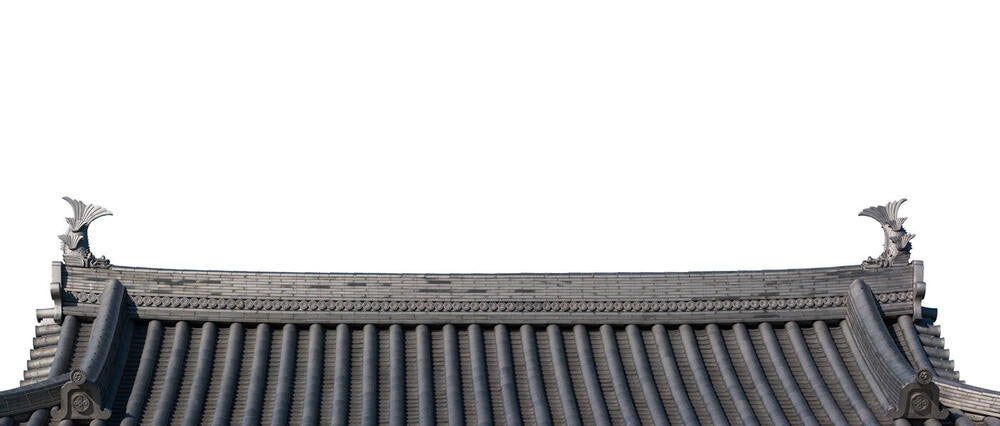
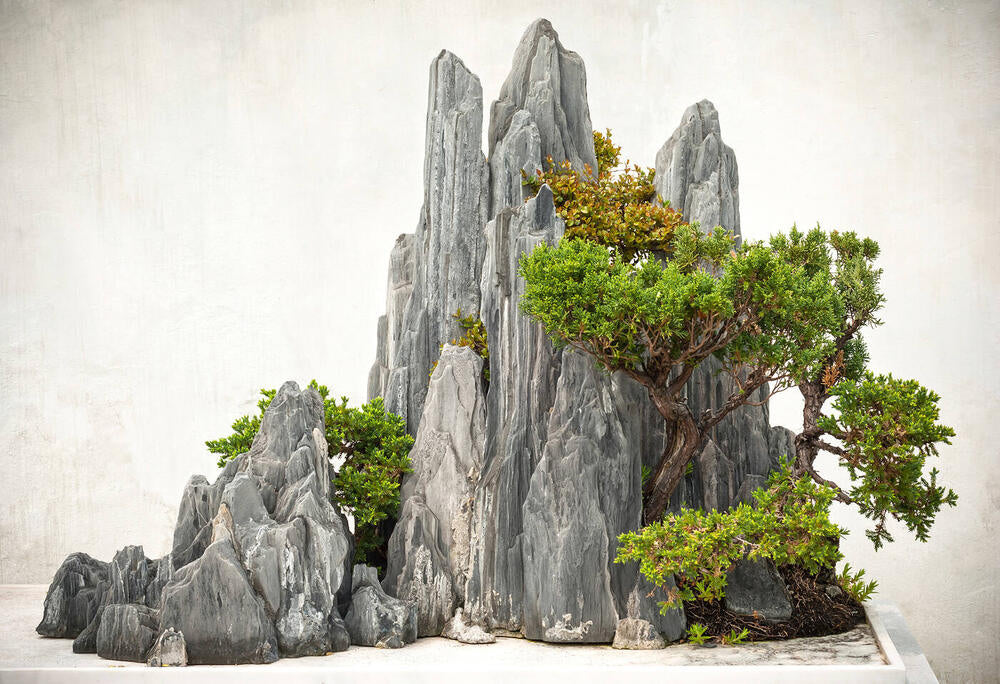
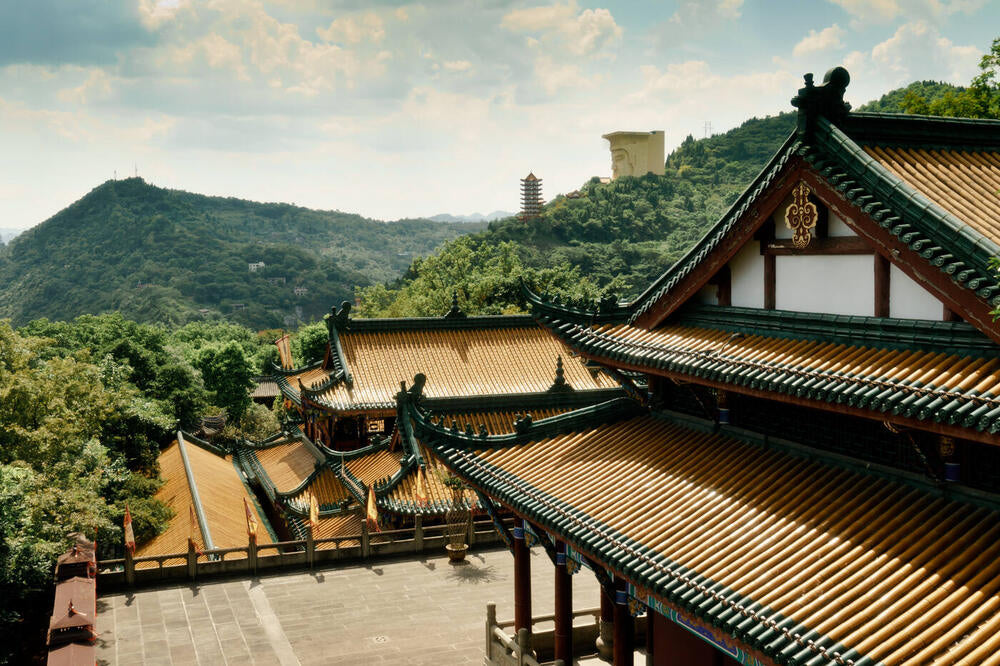
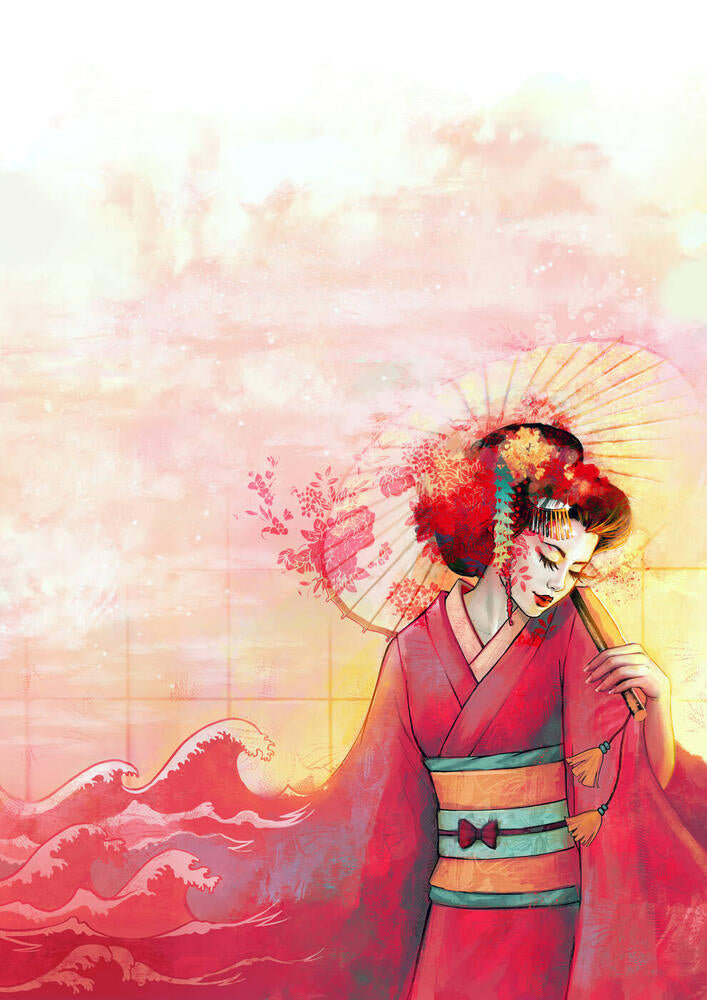
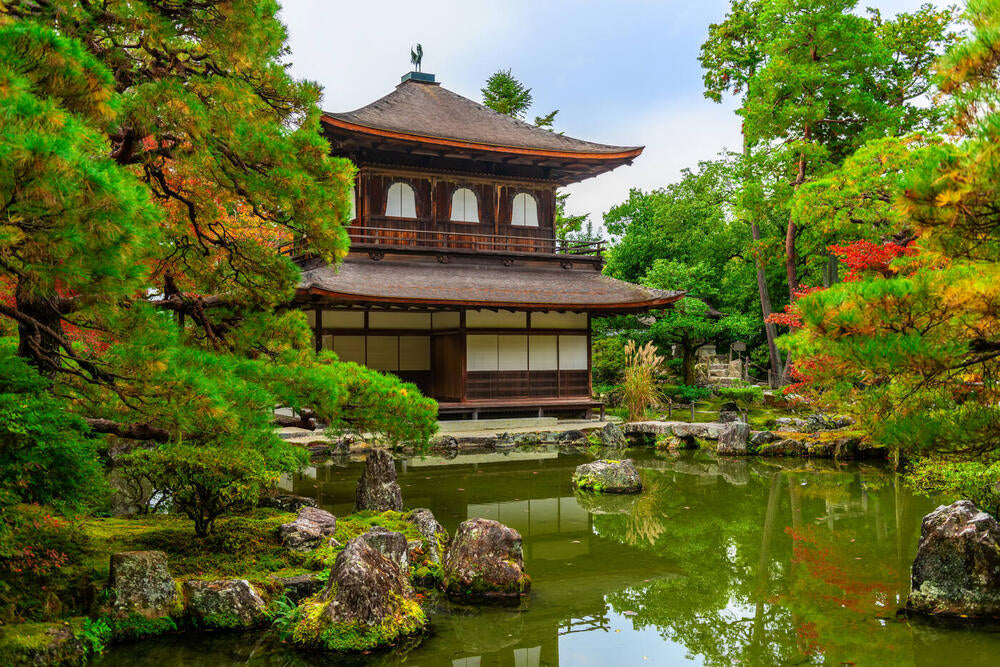
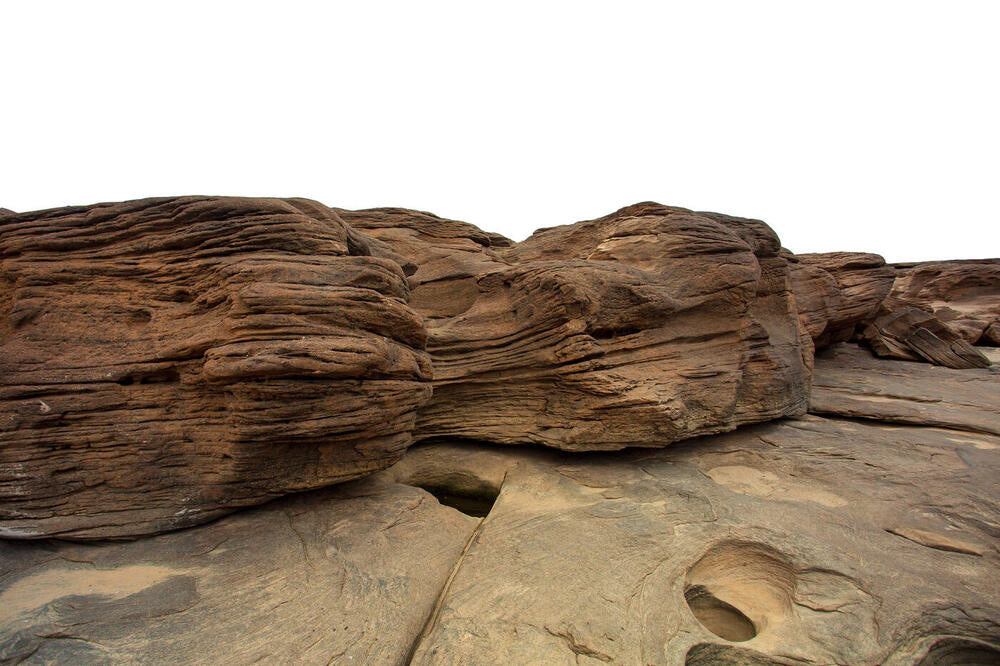
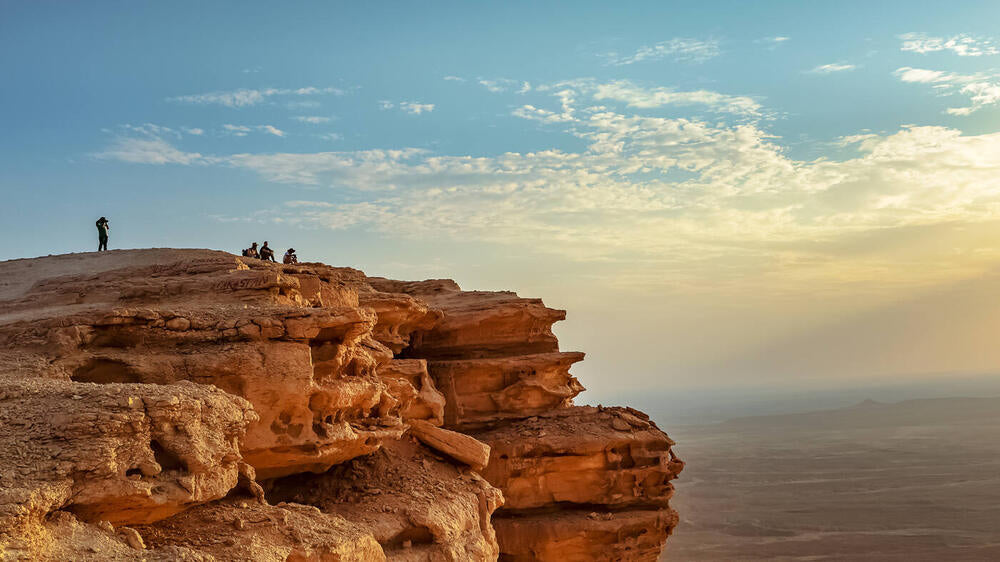
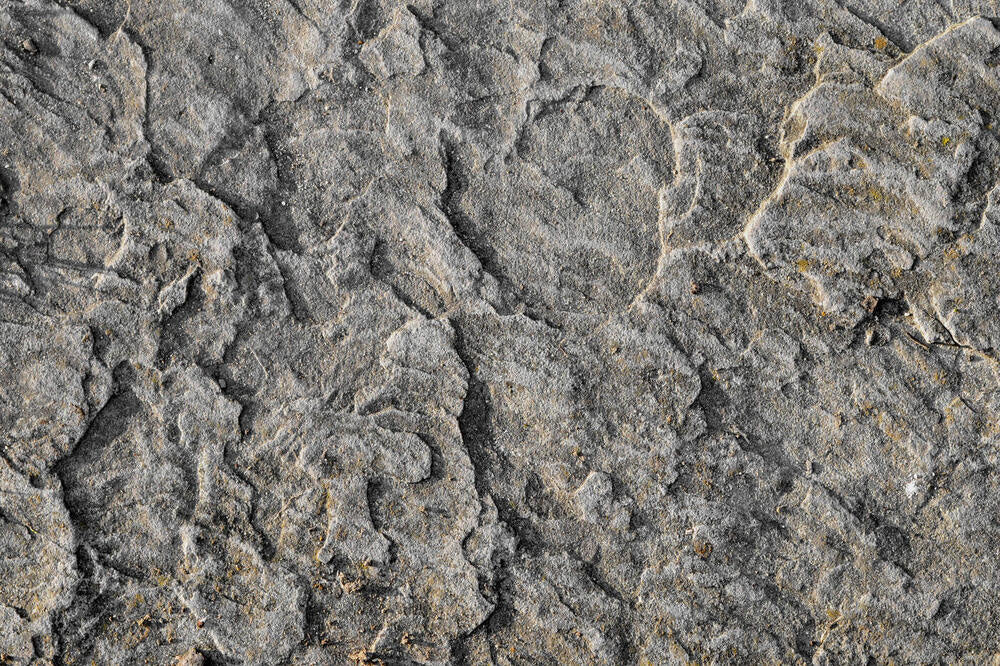
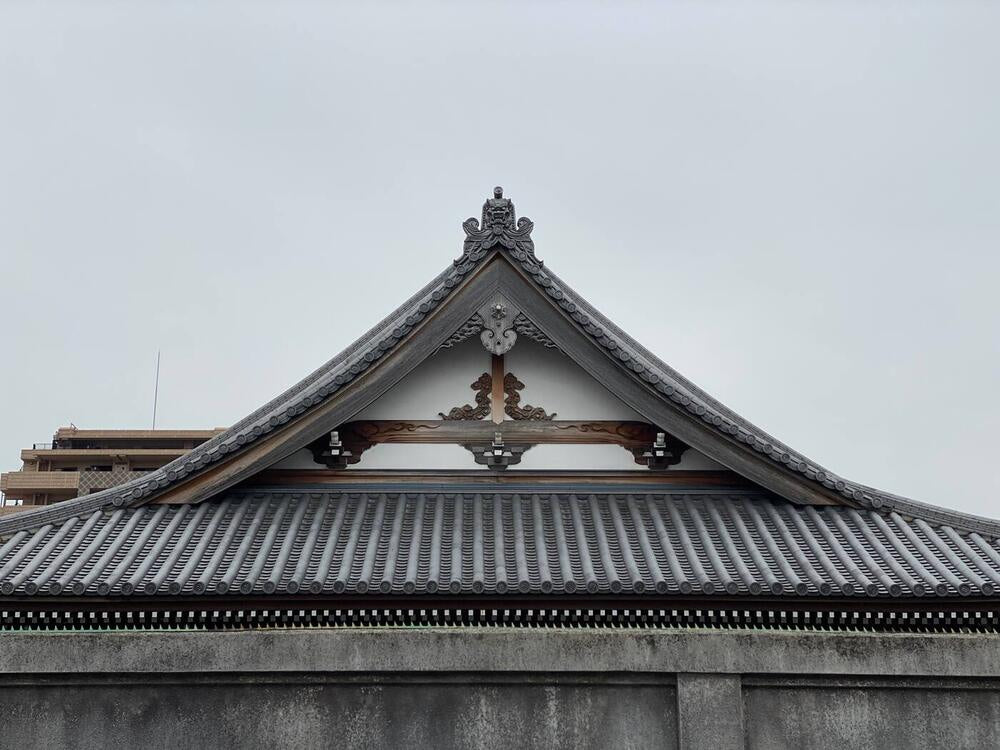
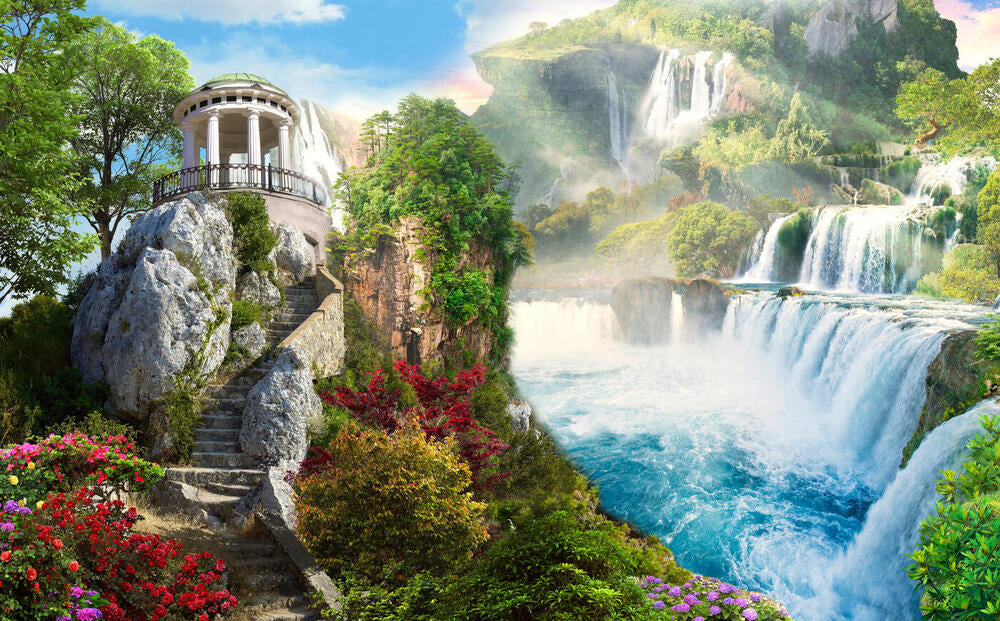
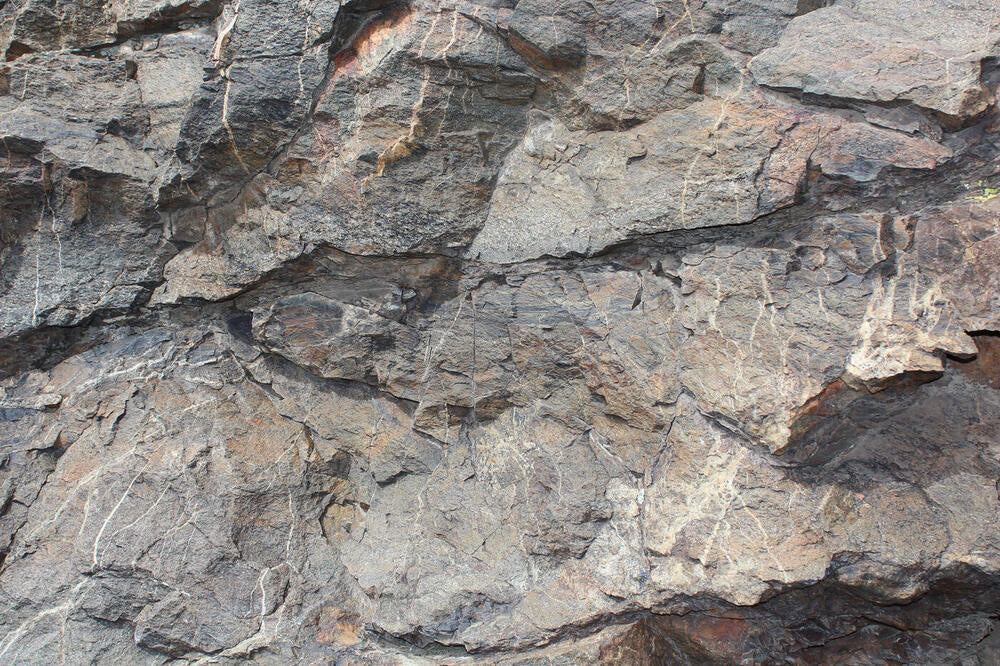
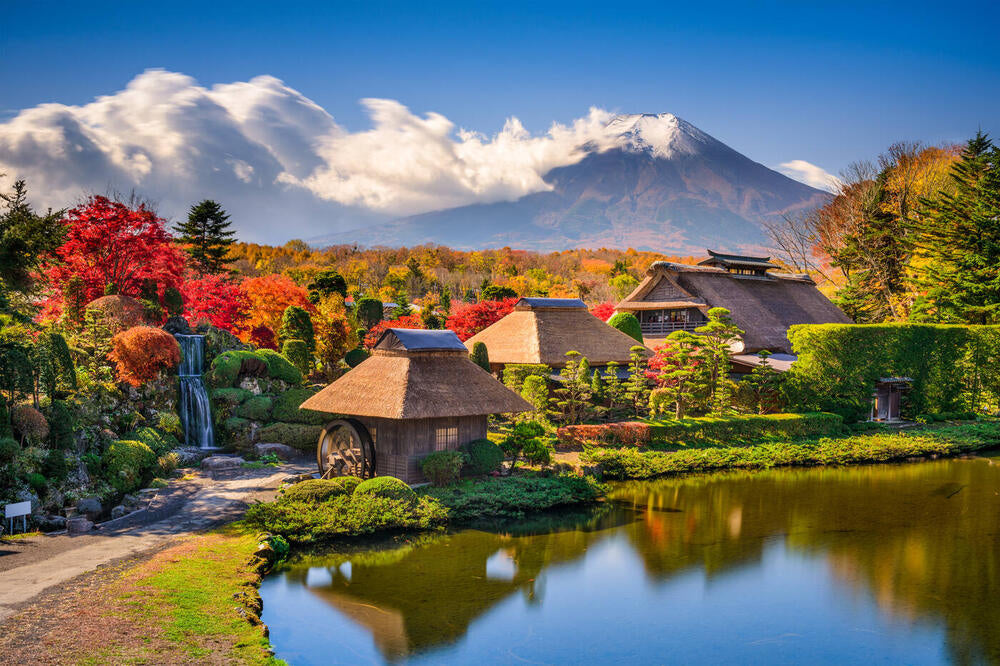
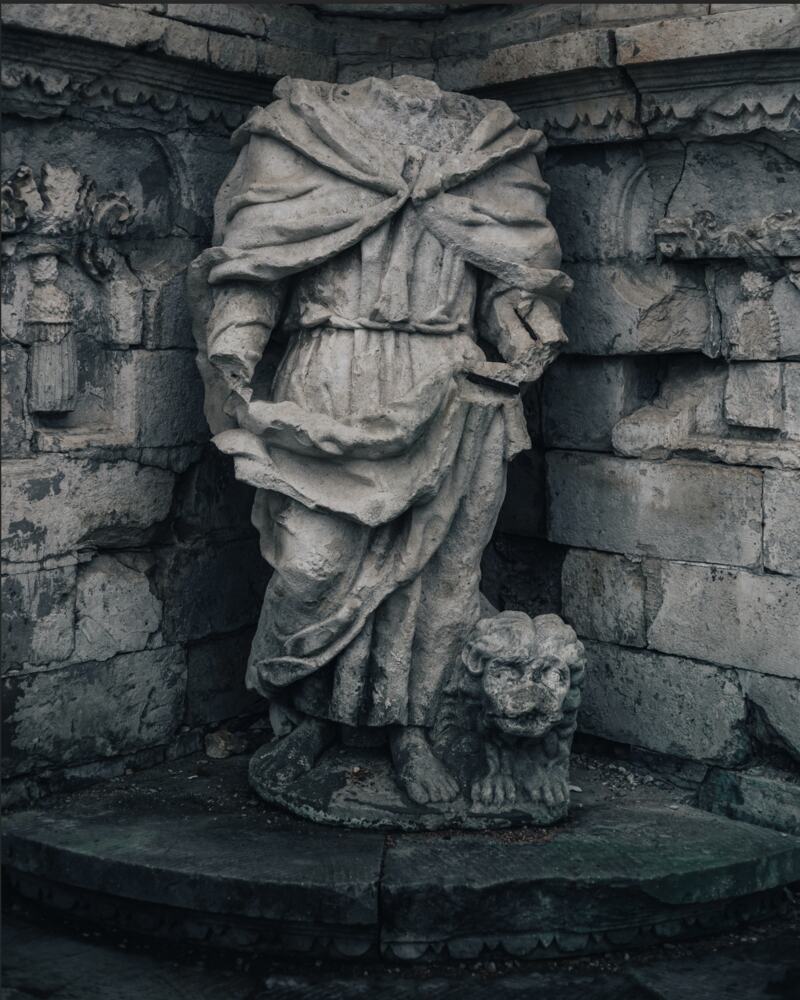
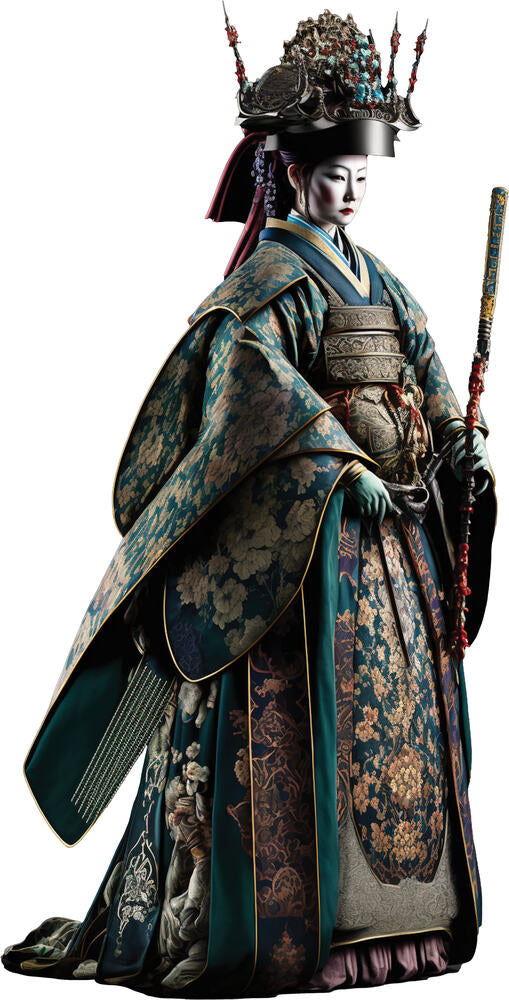
The roofs are real roofs. The rock is real rock. The waterfalls are real water, falling somewhere else entirely.
Finishing the artwork.
Once we're both happy with the overall image, the slow, tedious part starts. I go through the artwork, element by element, checking and adjusting placement, edges, shadows, lighting and Photoshop errors. Sometimes I export something into Procreate, fix it, then bring it back. This can take hours.
Then I'll spend days messing with the colour. I'll try things that don't make sense, swap pink for orange or blue for lime green, just to see what happens.
The very last thing I do is lay the puzzle die cut over the artwork. I zoom in and go through it piece by piece, imagining what it will be like to build.
From screen to puzzle.
A finished file is not quite a finished Flipsi.
Before anything goes into production, our manufacturer makes a printed sample so we can compare the physical puzzle with the artwork on screen. Screens produce light; printing uses ink, paper and cardboard. The same colour can arrive looking surprisingly different.
Sometimes we get it right on the first sample. Sometimes I adjust the artwork and we go back and forth until red is red rather than orange, aqua is aqua rather than blue, and the darker parts still have enough detail to build.
That can take a few days or a few weeks.
We proof the box in the same way so the colours and details match the puzzle inside.
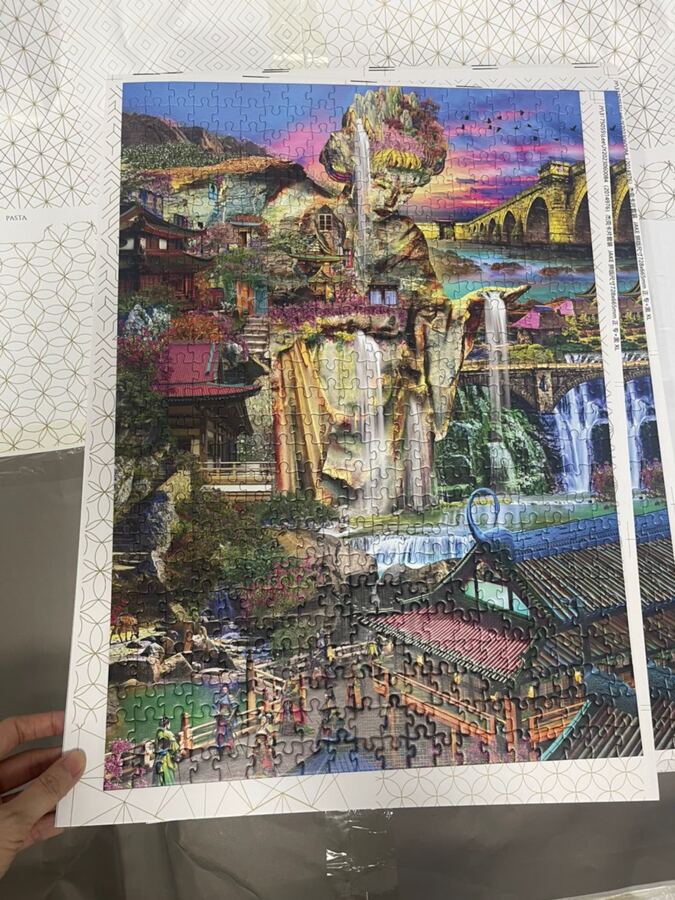
So what's the story of Enchanted Falls?
We may tell it one day. But the clues are there in the meantime.
Want to go back further?
Before there was Enchanted Falls, there was the idea that eventually became Flipsi.
Find your first Flipsi How Flipsi beganThe source photographs and illustrations on this page are licensed stock. The AI generated warrior is shown exactly as it arrived, unaltered. Everything else is our own work in progress files.